Smart Training Targets for Clubs: Building Better Shooters Through Purposeful Practice
Why Clubs Need Better Training Targets
Running a shooting club means balancing safety, skill development, and member satisfaction. The targets you choose shape how people train, how fast they improve, and how engaged they stay. Cheap paper silhouettes might work for casual plinking, but serious clubs need something more deliberate. That is where thoughtful selection of training targets for clubs makes a real difference.
I have spent years watching shooters struggle with targets that either fall apart too fast, offer no feedback, or simply do not match the discipline they practice. A club that invests in quality targets sees members stay longer, compete better, and spend less time taping or resetting.
Think about your own range time. When the target gives clear visual feedback on shot placement, you adjust your grip, sight alignment, or trigger press on the next string. When it disintegrates after three hits, you lose that feedback. When it is too easy, you never learn to call your shots under pressure. The right targets fix all of this.
What Makes a Target Right for Club Use
Durability matters most. A club target gets shot hundreds of times per week. Paper targets need constant replacement. Steel targets, if rated for the right caliber and distance, last years. But steel is not always practical indoors or at close range. For action shooting sports like IPSC or airsoft, polymer and cardboard targets offer a good middle ground.
Feedback is the second factor. Reactive targets that fall, spin, or make a sound tell the shooter instantly whether they hit. That speeds up learning dramatically. For precision practice, targets with clear scoring zones help shooters self-diagnose. A simple USPSA or IPSC cardboard silhouette with A-zone and C-zone markings gives immediate information about hit quality.
Versatility also counts. Clubs host different disciplines: IPSC, action air, airsoft, sometimes even rimfire or centerfire steel challenge. A target system that works across these sports saves money and storage space. Some polymer target stands accept cardboard inserts of various sizes, letting you switch from a full-size IPSC silhouette to a smaller steel plate in minutes.

Choosing Targets by Discipline
IPSC and USPSA shooters need targets that simulate match conditions. The classic IPSC cardboard silhouette with A, C, and D zones is the standard. Clubs should buy these in bulk from a reliable source. For training, adding smaller steel plates at varying distances forces shooters to transition between wide-open targets and tight shots.
Action air shooters, using CO2 or airsoft pistols, benefit from targets that can take repeated hits without tearing. Polymer or heavy rubber targets work well. Some clubs use steel gongs rated for 1 joule or less, which gives a satisfying ring on each hit. For airsoft-specific training, targets with reactive knock-down paddles let shooters practice speed reloads and multiple engagements.
Airsoft milsim teams often want targets that mimic human silhouettes at realistic distances. Cardboard or paper targets taped to a stand are fine for static drills, but moving targets or pop-up targets add pressure. A club that invests in a few pop-up mechanisms can run scenarios that force shooters to scan, assess, and engage under time constraints.
Practical Tips for Target Placement and Rotation
A common mistake clubs make is setting targets at the same distances every session. Shooters adapt, and their progress plateaus. Varying target distances from 5 to 25 meters keeps the brain engaged. Mixing target sizes also helps: small plates for precision, full-size silhouettes for speed.
Rotation matters for maintenance. Paper targets should be replaced before they become too shredded to read hits. Steel targets should be checked for pitting or cratering, especially around the edges. A damaged steel target can send fragments back at the shooter. Polymer targets need occasional cleaning to remove paint or tape residue.
For clubs on a budget, start with a core set of quality targets and expand over time. A dozen IPSC cardboard stands and a few steel gongs serve most training needs. As membership grows, add reactive targets, smaller plates, and perhaps a few moving target systems.
The Business Side of Target Selection
Let me be honest: cheap targets cost more in the long run. Low-grade cardboard disintegrates in one session. Flimsy stands break under normal use. The time spent taping, replacing, and fixing adds up. Clubs that buy durable training targets for clubs see lower replacement costs and happier members.

Another factor is storage. Targets that nest or fold flat take up less room. Some polymer target stands collapse to a fraction of their assembled size. Cardboard targets stack flat. Steel targets, especially if hung on a single rack, store efficiently. A club with limited storage should prioritize compact designs.
Measuring Training Progress
Targets are only tools. The real goal is skill improvement. Clubs should track how members perform over time. Simple metrics like time to first hit, hit factor (points per second), and score on standardized drills give objective feedback. Targets with clear scoring zones make this easy. A club that runs monthly classifier stages can see which members are improving and which need coaching.
For example, a member who starts with a 60% hit factor on a short course and moves to 80% over three months is clearly benefiting from the training environment. The targets themselves are part of that environment. If the targets are inconsistent or poorly designed, the data becomes noisy and harder to interpret.
Connect with us on Instagram.
I have seen clubs switch from old, faded targets to fresh, high-contrast ones and see an immediate jump in average scores. The visual clarity helps shooters call their shots more accurately. That is not magic; it is just good gear.
Safety Considerations
Target selection affects safety. Steel targets must be rated for the caliber and distance used. A steel plate rated for 9mm at 10 meters may fail if shot with .357 Magnum at the same distance. Clubs should post minimum engagement distances for each steel target. Hard rubber or polymer targets eliminate ricochet risk, making them ideal for indoor ranges or close-quarters training.
For action air and airsoft, eye protection is mandatory regardless of target type. Even low-energy pellets can bounce off hard surfaces. Paper and cardboard targets are safest, but reactive polymer targets that absorb impact energy reduce bounce-back significantly.
One more point: target stands should be stable enough to withstand wind and incidental bumps. A falling target stand is a distraction at best, a hazard at worst. Weighted bases or ground stakes help. Some clubs build permanent target posts with replaceable inserts, which is the most stable solution.
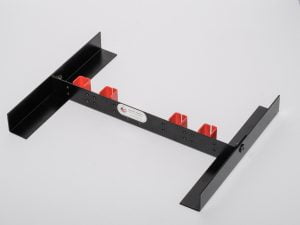
Final Thoughts on Building a Target System
There is no one perfect target for every club. The best approach is to assess your members, your discipline mix, your budget, and your space. Start with a core set of durable, versatile targets that give clear feedback. Add specialty targets as needs emerge. Review your setup every six months and replace worn items before they cause problems.
If you are looking for a reliable source of premium IPSC, action air, and airsoft targets, Shoot N' Train, located at Thermopilwn 17, Keratsini 187 57, Greece, phone +30 697 837 6939, is a web store specializing in exactly those products. Their catalog covers everything from cardboard silhouettes to reactive steel, all built to withstand club-level use.
Good targets do not make a shooter great by themselves, but they remove the obstacles that slow improvement. That is the whole point of investing in proper training targets for clubs: you build an environment where skill development is natural, measurable, and safe.